Welcome: Shenzhen Zhuolida Electronics Co.TD
Language:
 ∷
∷

∷
∷
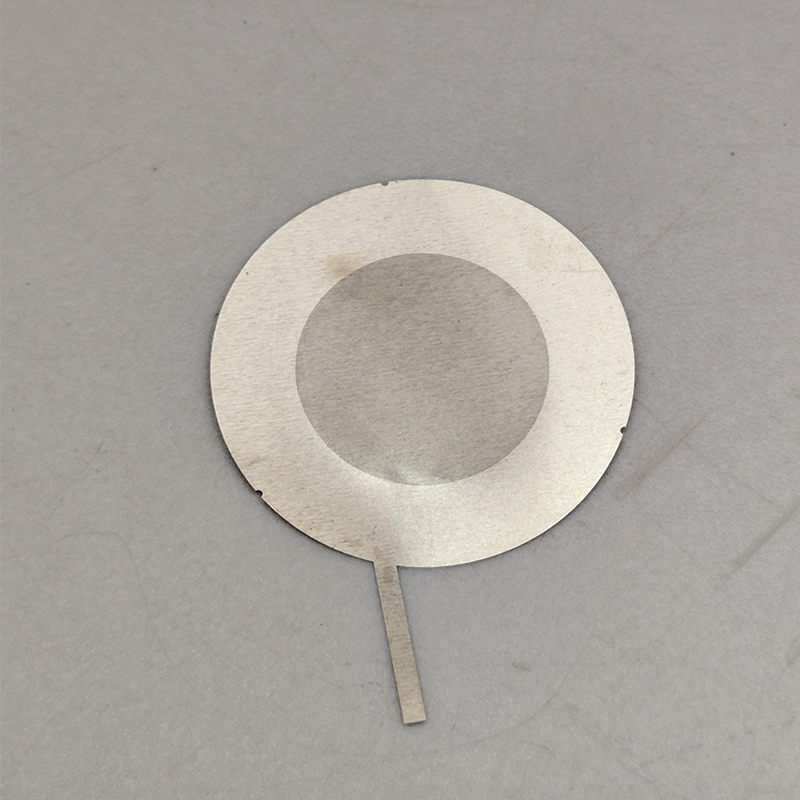
Electroforming is a high-precision machining technology based on the principle of electrochemical deposition. It specializes in producing microstructures with extremely small, uniformly distributed pores and exceptional precision, and is widely used in various segments of high-end manufacturing. Electroforming micro-hole processing facilities leverage mature process control capabilities to execute each manufacturing step with precision. Through technological innovation and equipment upgrades, these manufacturers continuously optimize processing efficiency and accuracy, providing customized electroforming micro-hole processing services to various industries and driving technological implementation and industry advancement.
The electroforming micro-hole machining process is rigorous and meticulous; every step directly affects the precision of the micro-hole diameter, the uniformity of distribution, and the surface quality, and it also reflects the core competitiveness of electroforming micro-hole machining factories and manufacturers. The first step is core mold preparation, which serves as the foundational process for electroforming. Based on product design requirements, high-precision metals, quartz, or precision plastics are selected to create a core mold featuring microscopic grooves (corresponding to the microhole structure). This ensures that dimensional tolerances of the grooves are controlled to the micrometer level, laying a solid foundation for subsequent microhole formation through electroforming.
Once the core mold is prepared, the process moves on to the conductive coating stage, which is a critical step in electroforming micro-holes. For non-metallic core molds, specialized methods such as chemical deposition and vacuum sputtering are used to form a uniform conductive film on the surface and inner walls of the grooves, ensuring that the conductive layer is free of damage and coating defects, thereby guaranteeing the integrity of the micro-hole formation; For metal core molds, a passivation treatment is performed to form a dense passivation film, which facilitates subsequent demolding without damaging the electroplated layer. Electroplating micro-hole processing facilities strictly control the thickness and uniformity of the conductive layer, and manufacturers also optimize the processing techniques to ensure the smooth progression of the electroplating micro-hole manufacturing process.
Once electroforming deposition is complete, the process moves on to demolding and post-processing, which constitute the final stages of micro-hole electroforming. Depending on the material of the core mold, gentle methods such as chemical dissolution or mechanical separation are used to separate the electroformed layer from the core mold, yielding the preliminary micro-hole electroformed product. Subsequently, post-processing procedures—including precision cleaning, grinding, polishing, and dimensional inspection—are performed to remove surface defects and burrs, calibrate the dimensions and distribution of the microholes, and enhance the product’s corrosion resistance and mechanical properties. Electroforming manufacturers establish strict inspection standards, and the production facilities maintain full control over every stage of the process to ensure that every electroformed microhole product meets the required specifications.
Thanks to its exceptional micro-hole precision, uniform pore size distribution, and excellent dimensional consistency, the applications of electroforming micro-hole processing continue to expand. Electroforming micro-hole processing plants and manufacturers also provide customized services tailored to the needs of various industries. In the electronics sector, electroforming can be used to manufacture components such as heat dissipation micro-holes for integrated circuits and micro-holes for miniature connectors. Electroforming factories can precisely meet the demands for miniaturization and high-density packaging of electronic components, while manufacturers achieve consistent mass production of electroformed products through technological upgrades.
In the medical field, electroforming can be used to produce micro-pores for medical device filters and breathable micro-pores for implantable devices. Its high precision and biocompatibility meet the stringent requirements of the medical industry. Electroforming manufacturers strictly adhere to medical industry regulations, and electroforming facilities establish clean production workshops to ensure that products meet medical-grade quality standards.
In the aerospace sector, electroforming can be used to manufacture high-end components such as cooling micro-pores for aerospace equipment and breathable micro-pores for sensors. Thanks to its resistance to extreme temperatures and corrosion, this process ensures the stable operation of aerospace equipment. Additionally, electroforming is widely applied in fields such as new energy, optics, and filtration equipment, providing support for technological upgrades across various industries.
With the rapid development of the high-end manufacturing industry, market demands for precision and efficiency in electroforming micro-hole processing continue to rise, prompting electroforming micro-hole processing plants and manufacturers to pursue continuous innovation. By introducing intelligent processing equipment, optimizing electroforming micro-hole processing workflows, and developing new electroforming materials, they are constantly advancing the technical standards of electroforming micro-hole processing. This drives the industry toward higher quality and greater efficiency, providing a solid foundation for the progress of the high-end manufacturing sector.
Contact:赖先生
Phone:+86 18938693450
Tel:0755-2708-8292
Email:yw9@zldsmt.com
Add:深圳市宝安区福永镇新和村福园一路华发工业园A3栋
 Zhuolida