Welcome: Shenzhen Zhuolida Electronics Co.TD
Language:
 ∷
∷

∷
∷
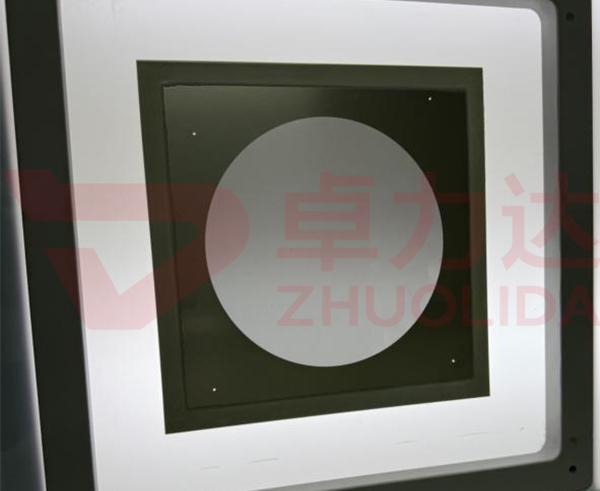
Metal stencils for semiconductor packaging wafers are core precision components in the semiconductor packaging process. Manufactured from high-purity nickel and copper alloys using electroforming technology, they offer high pattern accuracy, excellent dimensional consistency, excellent surface finish, wear and corrosion resistance, and superior electrical conductivity. They enable precise alignment for key processes in the wafer packaging process, such as lead positioning, interconnect pattern transfer and solder paste printing. As such, they directly determine the yield, efficiency and reliability of semiconductor packaging, serving as the critical link between semiconductor chip wafer fabrication and final packaging. The processing of metal stencils for wafer packaging integrates composite processes such as precision photolithography, electroforming deposition and post-treatment. Strictly adhering to Class 100 cleanroom standards in the semiconductor industry, it balances the requirements of mass production consistency with ultra-fine precision, and is compatible with various packaging processes including DIP, SMT, BGA and Chiplet. Manufacturers specialising in the electroforming of metal stencils for semiconductor packaging have deep expertise in the field of precision semiconductor forming. They continuously optimise electroforming formulations and process control, driving the advancement of metal stencil processing towards ultra-fine patterns, high density and extended service life, thereby providing reliable precision solutions for the semiconductor packaging industry.
The manufacturing process for semiconductor packaging wafer metal stencils is rigorous and precise. Centred on six core processes—master template preparation, conductive treatment, electroforming deposition, post-demoulding treatment, precision inspection, and clean packaging—we have established a standardised, fully traceable production system. The entire process is carried out in Class 1,000 to Class 100 cleanrooms, with every step adhering to stringent semiconductor industry standards. Electroforming manufacturers of metal stencils for wafer packaging implement closed-loop control across all processes, strictly managing issues such as pattern misalignment, thickness inconsistencies and surface defects to ensure the stencils precisely match wafer packaging specifications. The processing of these stencils places particular emphasis on enhancing pattern array uniformity, alignment accuracy and mechanical stability, meeting the stringent requirements of high-density semiconductor chip pins and miniaturised packaging, thereby laying a solid process foundation for the wafer packaging process.
The first step involves the precision fabrication of master templates, which lays the core foundation for the processing of metal templates for wafer packaging. Manufacturers of electroformed metal templates for wafer packaging select high-precision insulating materials such as quartz and borosilicate glass to produce master templates. Based on the specifications of semiconductor packaging wafers, pin pitch and interconnect pattern requirements, they complete high-precision pattern design and plate production. Laser direct writing and UV lithography technologies are employed to produce the master pattern, with exposure accuracy controlled to within ±0.002 μm. This ensures that the pin patterns, positioning marks and interconnect channels on the master template correspond perfectly with the wafer packaging requirements, whilst maintaining clear, burr-free and distortion-free pattern edges. Following master mould fabrication, a full inspection is conducted using a high-magnification electron microscope to eliminate defects such as surface scratches, pattern deviations and pinholes, ensuring the master mould meets precision standards. The precision of metal stencils for semiconductor packaging wafers is directly dependent on the quality of the master mould; this is also the primary step for electroforming manufacturers of packaging wafer metal stencils to ensure product consistency.
The second step involves the conductivisation of the master template to ensure the smooth progress of the metal stencil fabrication for packaging wafers. As the master template is made of an insulating material, a clean conductivisation process is required. Manufacturers of electroformed metal templates for packaging wafers employ a vacuum sputtering process to deposit an ultra-thin, uniform nickel-based conductive layer onto the surface of the master mould. The thickness is controlled between 0.3 and 0.8 μm to ensure the conductive layer is dense, free from pinholes, and without any localised thickening or flaking, thereby providing a uniform conductive substrate for subsequent electroforming. Following the deposition of the conductive layer, plasma cleaning is performed to remove microscopic surface impurities, thereby enhancing the bond strength between the conductive layer and the master mould and preventing delamination or peeling during the electroforming process. The processing of metal stencils for packaged wafers involves strict control of the uniformity of the conductive layer to prevent thickness deviations in the stencil pattern caused by uneven current distribution, thereby ensuring the quality of the electroformed product.
The third step is the core electroforming process, which determines the final performance of the semiconductor packaging wafer metal template. The electroforming manufacturer uses the treated master template as the cathode and a high-purity nickel plate (or copper alloy plate) as the anode, placing them in a high-purity, sealed electroforming tank. Employing a pulsed electroforming process, the composition of the electrolyte, temperature (42–52°C), pH and current density (0.3–1.5 A/dm²). Under the influence of the electric field, metal ions are deposited uniformly layer by layer in accordance with the pattern contours of the master template, forming a dense, smooth, high-precision metal template structure that precisely replicates the pins, interconnect patterns and positioning structures on the master template. Deposition rates and electroplated layer thickness are monitored in real time throughout the process to ensure uniform and stable plating, reduce internal stress, and guarantee that the metal stencil for semiconductor packaging wafers remains flat and free from deformation, thereby meeting the requirements for forming ultra-fine patterns. The fabrication of metal stencils for packaging wafers relies on precise control of electroplating parameters to achieve accurate formation of micron- and sub-micron-scale patterns, catering to the demands of high-density semiconductor packaging.
The fourth step involves demoulding, cleaning and post-processing to optimise the overall performance of the semiconductor packaging wafer metal templates. Electroforming manufacturers employ gentle, non-destructive demoulding methods, selecting either chemical dissolution or thermal expansion separation based on the master mould material, to achieve complete separation of the electroformed layer from the master mould, ensuring the semiconductor packaging wafer metal templates remain undamaged and free from pattern distortion. Following demoulding, multi-stage ultrasonic cleaning with pure water and plasma purification are performed to thoroughly remove residual electrolyte, metal debris and contaminants from the surface, ensuring the template surface and pattern gaps are clean and free of impurities. Depending on the specific packaging application, electrolytic polishing and passivation treatments are carried out to enhance the surface finish (Ra ≤ 0.03 μm) and improve wear and corrosion resistance. This reduces contact resistance during the packaging process and extends the service life of the templates. The processing of metal templates for packaging wafers involves customised post-treatment processes to meet the requirements of different packaging processes, thereby further enhancing product reliability.
The fifth step involves comprehensive precision inspection to ensure the quality of semiconductor packaging wafer metal stencils prior to dispatch. Electroforming manufacturers of metal stencils for semiconductor packaging wafers are equipped with high-precision equipment such as scanning electron microscopes, coordinate measuring machines, impedance testers and alignment accuracy testers. They conduct comprehensive inspections of indicators including pattern dimensions, pin pitch, surface roughness, electrical conductivity, flatness and corrosion resistance, implementing a 100% inspection regime to strictly prevent non-conforming products from leaving the factory. Inspection data is retained and traceable throughout the entire process to ensure product quality traceability; for mass-produced items, an additional sampling re-inspection stage is implemented to ensure batch consistency meets standards. Through end-to-end quality control during the processing of metal stencils for semiconductor packaging wafers, we ensure the stencils can be used stably and consistently with semiconductor packaging equipment over the long term, thereby guaranteeing the efficient operation of the packaging process.
The sixth step is clean packaging, which safeguards the storage and transport of semiconductor packaging wafer metal templates. After passing inspection, the templates are packaged using anti-static, anti-contamination vacuum packaging materials to isolate them from dust, moisture and oxidation, thereby preventing contamination, damage or pattern deformation during storage and transport. The entire packaging process is carried out in a cleanroom environment, ensuring that the templates maintain Class 100 cleanliness upon delivery and are directly compatible with the requirements of semiconductor packaging workshops. This is an indispensable final stage in the processing of metal templates for packaging wafers.
The application of semiconductor packaging wafer metal templates is centred on the semiconductor packaging industry, catering to the wafer packaging stages of various semiconductor chips, including logic chips, memory chips, power chips and sensors. These templates cover end-use scenarios such as consumer electronics, servers, automotive electronics, industrial electronics and aerospace. Thanks to the process advantages of high precision and high consistency, the machining of metal stencils for packaging wafers aligns with the industry trends towards miniaturisation, high density and integration of semiconductor chips. Manufacturers of electroformed metal stencils for packaging wafers leverage technological advancements to support improvements in semiconductor packaging yield rates and capacity expansion.
The consumer electronics sector is the core application area for semiconductor packaging wafer metal stencils, used in the chip packaging of end products such as mobile phones, tablets, laptops and smart wearable devices, and supporting processes such as SMT solder paste printing and lead positioning. The processing of metal stencils for semiconductor packaging enables flexible customisation across multiple specifications and small batches. Manufacturers of electroformed metal stencils for semiconductor packaging meet the rapid iteration demands of the consumer electronics sector by providing high-precision, lightweight stencil solutions, ensuring the miniaturisation and high reliability of chip packaging.
In the server and data centre sectors, the requirements for precision, stability and durability of semiconductor packaging stencils are even higher. Stencils must accommodate the packaging needs of high-capacity, high-speed chips and withstand 24/7 high-frequency use. The processing of metal stencils for wafer packaging enhances wear resistance and low-impedance characteristics, whilst optimising stencil structural design. Electroforming manufacturers of these stencils provide customised solutions for high-density patterns, helping to improve the efficiency and yield of server chip packaging.
In the automotive electronics sector, chips must operate in environments characterised by wide temperature ranges, high vibration and high reliability requirements. Consequently, semiconductor packaging wafer metal templates must possess superior mechanical properties and environmental adaptability. The manufacturing process enhances the templates’ fatigue resistance and corrosion resistance, whilst electroforming manufacturers strictly control structural precision to ensure the templates meet the packaging requirements of automotive chips, thereby guaranteeing the stable operation of automotive electronic equipment.
In the industrial electronics and aerospace sectors, semiconductor packaging wafer metal templates are used for the packaging of industrial control chips and specialised aerospace chips, operating under harsh conditions such as high temperatures, high pressure and high radiation. The processing of these templates utilises high-performance materials and precision manufacturing techniques to optimise their mechanical properties and environmental adaptability. Electroforming manufacturers of these templates provide customised solutions to enhance the quality of high-end chip packaging.
Furthermore, metal stencils for semiconductor packaging wafers are also used in emerging fields such as AI chips and quantum chips, where their ultra-high precision provides essential support for the packaging of new types of chips. Driven by the needs of the semiconductor industry, metal stencils for semiconductor packaging continue to overcome technical bottlenecks. The processing of these stencils is constantly evolving towards ultra-fine patterning, high-density arrays and composite materials. Manufacturers specialising in electroforming for packaging stencils are strengthening technical research and development alongside industrial collaboration to drive technological upgrades, thereby providing essential precision support for the independent development of China’s domestic semiconductor packaging industry.
Contact:赖先生
Phone:+86 18938693450
Tel:0755-2708-8292
Email:yw9@zldsmt.com
Add:深圳市宝安区福永镇新和村福园一路华发工业园A3栋
 Zhuolida