Welcome: Shenzhen Zhuolida Electronics Co.TD
Language:
 ∷
∷

∷
∷
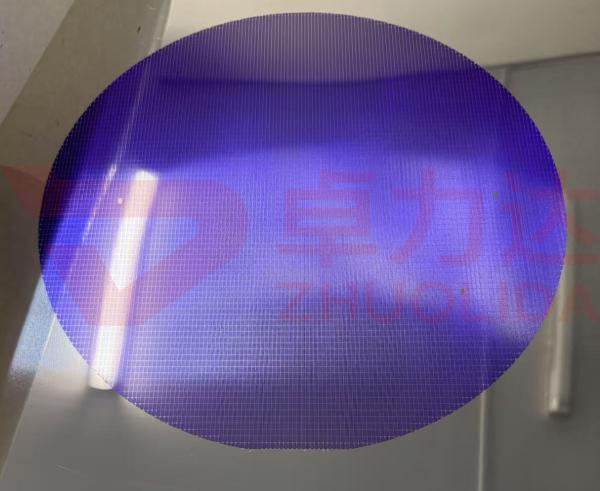
With the rapid iteration of the high-end precision manufacturing industry, ultra-thin electroformed parts have become indispensable core precision components in microelectronics, medical treatment, optics, new energy and other fields due to their core advantages of uniform thickness, extremely high precision, no mechanical stress and high forming freedom. Breaking through the forming limitations of traditional stamping and cutting processes, ultra-thin electroformed parts can realize the integrated forming of micron-level ultra-thin structures, meeting the production needs of various refined, lightweight and high-precision products. Ultra-thin electroformed part processing relies on a dedicated electroforming process system to ensure the ultra-thin characteristics and structural stability of components by accurately regulating deposition parameters and optimizing process flows, which is one of the core technical paths for the manufacturing of high-end precision parts. Professional ultra-thin electroformed part processing manufacturers in the market rely on standardized and refined processing systems to guarantee product accuracy, consistency and yield, and support the iterative upgrading of high-end products in various industries.
1. Complete Processing Flow of Ultra-thin Electroformed Parts
Ultra-thin electroformed part processing is a refined closed-loop precision forming process. Each procedure directly determines the thickness accuracy, surface quality and structural performance of ultra-thin electroformed parts. The overall process is divided into six core links: mold pretreatment, conductive activation, electrodeposition forming, parameter monitoring, demolding post-treatment and precision detection, with each link closely connected and accurately controlled.
The first step is mold pretreatment, the basic procedure of ultra-thin electroformed part processing. Before processing, the forming mold is comprehensively cleaned, degreased and polished to completely remove oil stains, impurities and oxide layers on the mold surface, ensuring a smooth and clean mold surface. For non-metallic molds, surface metallization treatment is required to build a uniform conductive layer through chemical plating, conductive coating spraying and other methods, providing a stable conductive foundation for subsequent electrodeposition and avoiding problems such as uneven thickness and local defects in the forming of ultra-thin electroformed parts. Professional ultra-thin electroformed part processing manufacturers strictly control pretreatment standards and unify mold surface roughness parameters to ensure product forming accuracy from the source.
The second step is conductive activation treatment, which further optimizes the conductive performance of the mold, activates active sites on the mold surface, and ensures uniform adhesion and deposition of metal ions. This link requires precise control of activator concentration, treatment time and ambient temperature to prevent local conductive abnormalities, lay a solid foundation for the uniform forming of ultra-thin electroformed parts, and is a key pre-process to guarantee the ultra-thin and uniform characteristics of ultra-thin electroformed parts.
The third step is the core electrodeposition forming procedure, the key link of ultra-thin electroformed part processing. The pretreated mold is placed as a cathode into a special electroforming tank with high-purity metal electrolyte, and core parameters such as current density, electrolyte temperature, pH value and stirring rate are accurately set. Under the controllable electric field, metal ions are uniformly deposited on the mold surface to gradually form ultra-thin metal structures. This process has no mechanical extrusion and cutting stress, which can perfectly retain micro fine structures and adapt to the forming of ultra-thin components with specifications from 0.01mm to 0.1mm, a technical advantage that traditional processing processes cannot achieve. Regular ultra-thin electroformed part processing manufacturers adopt a constant-temperature closed-loop control system to stabilize the electrolyte environment in real time and avoid forming errors caused by fluctuations in temperature and parameters.
The fourth step is real-time thickness monitoring and forming control. Ultra-thin electroformed parts have extremely high requirements for thickness tolerance, and the forming thickness needs to be monitored online throughout the process. High-precision laser thickness measuring equipment and visual detection systems are used to collect data in real time, dynamically adjust electrodeposition parameters, ensure the overall thickness tolerance is controlled within the micron level, guarantee the thickness consistency of each ultra-thin electroformed part, and eliminate quality problems such as thickness deviation and structural deformation.
The fifth step is non-destructive demolding and post-treatment. After electrodeposition, the ultra-thin electroformed parts are completely separated from the mold by non-destructive demolding methods such as mechanical stripping or chemical dissolution according to mold materials to avoid tensile deformation and edge burrs. Then, post-treatment processes such as cleaning, stress relief, leveling and polishing are carried out to remove residual electrolyte and minor surface defects, and optimize the surface finish and structural stability of ultra-thin electroformed parts. High-quality ultra-thin electroformed part processing manufacturers refine the post-treatment process, specifically eliminate forming stress, and improve the corrosion resistance and structural strength of products.
The sixth step is finished product precision detection. A number of detection methods including stress detection, dimension verification, salt spray test and microstructure scanning are adopted to comprehensively check the dimensional accuracy, thickness uniformity, mechanical properties and corrosion resistance of ultra-thin electroformed parts, screen qualified finished products, and ensure that the products meet the application standards of high-end scenarios.
2. Core Application Fields of Ultra-thin Electroformed Parts
Relying on the characteristics of ultra-thin, precise, high stability and stress-free, ultra-thin electroformed parts are widely used in many high-end precision manufacturing fields, solving the refined manufacturing problems of various industries with excellent forming performance, and their application scenarios continue to expand.
In the field of microelectronics and semiconductors, ultra-thin electroformed parts are core precision accessories, mainly used in the manufacturing of chip lead frames, SMT precision templates, high-frequency filters, micro connectors and other components. This industry has strict requirements on component thickness, flatness and accuracy. Ultra-thin electroformed part processing can realize the forming of micron-level micro structures, ensure stable signal transmission and lightweight volume of electronic components, and adapt to the miniaturization and high-precision development trend of high-end chips and precision electronic equipment.
In the medical device field, ultra-thin electroformed parts are applied to minimally invasive medical accessories, implantable electrodes, microneedle arrays, precision medical screens and other products due to their advantages of good biocompatibility, no burrs and high accuracy. Medical scenarios have extremely high requirements for accessory cleanliness, safety and dimensional accuracy. Standardized ultra-thin electroformed part processing can produce stress-free and high-fit ultra-thin medical components to meet the application needs of minimally invasive surgery, intelligent medical monitoring and implantable medical equipment.
In the field of optics and intelligent display, ultra-thin electroformed parts can be used in optical reflective substrates, precision gratings, ultra-thin metal accessories of display modules, precision components of laser devices and other products. Its ultra-thin and uniform structural characteristics can effectively improve optical refraction accuracy and display effect, and adapt to the production and manufacturing of high-end optical instruments and intelligent wearable display equipment due to stable structure and no deformation.
In the fields of new energy and aerospace, ultra-thin electroformed parts are applied to lithium battery precision filter screens, energy storage stack accessories, aerospace lightweight thin-wall components, precision sensing accessories and other products. Harsh working conditions put forward high requirements on component strength, temperature resistance and stability. Professional ultra-thin electroformed part processing manufacturers improve the mechanical properties and environmental resistance of ultra-thin electroformed parts by optimizing alloy ratio and process parameters to meet the use standards of high-end equipment in new energy energy storage and aerospace fields.
3. Industry Development Summary
In conclusion, ultra-thin electroformed part processing has become a key process for high-end precision manufacturing due to its core advantages of precise technology, flexible forming and high finished product accuracy. The standardized and refined processing flow fully guarantees the quality and performance of ultra-thin electroformed parts, enabling them to continuously meet the high-end manufacturing needs of various fields. As products in various industries upgrade towards lightweight, precision and miniaturization, the application scenarios of ultra-thin electroformed parts will be further expanded, which also promotes the continuous iterative optimization of ultra-thin electroformed part processing technology. In the future, excellent ultra-thin electroformed part processing manufacturers will continue to deepen process upgrading, optimize process accuracy and production efficiency, and provide higher-quality precision component support for the development of high-end manufacturing industry.
Contact:赖先生
Phone:+86 18938693450
Tel:0755-2708-8292
Email:yw9@zldsmt.com
Add:深圳市宝安区福永镇新和村福园一路华发工业园A3栋
 Zhuolida