Welcome: Shenzhen Zhuolida Electronics Co.TD
Language:
 ∷
∷

∷
∷
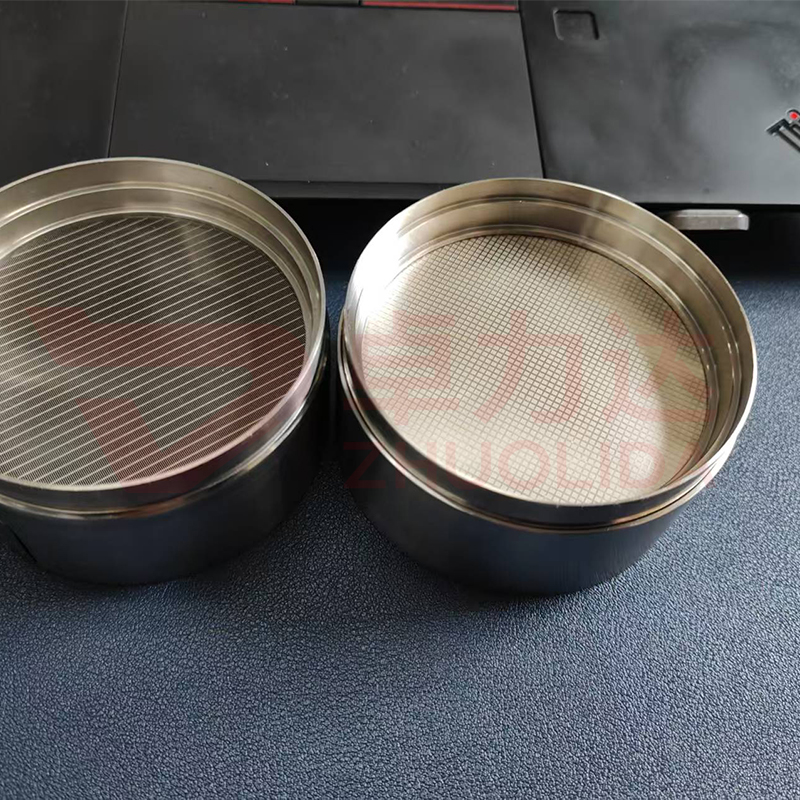
Electroformed nickel mesh is a precision metal screening component manufactured using the principles of electrochemical deposition. With high-purity nickel as its core material, it offers key advantages such as uniform mesh structure, precise pore size, smooth pore walls, high corrosion resistance and the absence of mechanical stress. It enables the consistent production of sub-micron to micron-scale microporous arrays, making it suitable for a wide range of applications including industrial filtration, scientific research and electronics manufacturing. The processing of electroformed nickel mesh is a key process for achieving the precise shaping of this type of mesh. Through fine-tuned parameter control and rigorous process management, it balances mass production with precision consistency, making it a core component in sectors such as high-end manufacturing, environmental protection and biopharmaceuticals. Manufacturers specialising in electroformed nickel mesh processing have a deep understanding of industry requirements. By continuously optimising process systems and quality control standards, they are driving the advancement of electroformed nickel mesh processing towards standardisation, refinement and large-scale production, thereby providing high-quality precision nickel mesh solutions for various industries.
The electroformed nickel mesh manufacturing process is rigorous and standardised, centring on five core stages: master mould preparation, conductivisation treatment, electroplating, post-demoulding treatment, and quality inspection, thereby forming a standardised and traceable production chain. Electroformed nickel mesh manufacturers strictly enforce quality control throughout the entire process. Building on this foundation, they enhance the precision of micro-pores and material consistency to ensure that every batch of products meets specifications for mesh aperture size, aperture spacing, thickness and nickel layer purity, thereby catering to the diverse requirements of different industries.
The first step is the design and preparation of the master mould, which lays the foundation for electroformed nickel mesh processing. Manufacturers determine the mesh aperture size (0.05–100 μm), aperture spacing, open area ratio and sheet specifications based on industry requirements, and select quartz, glass or special metals to fabricate the master mould. Metal master moulds undergo precision CNC machining and mirror polishing to ensure a surface roughness of Ra ≤ 0.1 μm, with geometric tolerances meeting industry standards; non-metallic master moulds are fabricated using laser etching and photolithography to create micro-pore patterns, with exposure accuracy controlled to within ±0.005 μm, ensuring the master mould’s mesh openings are fully consistent with design requirements. The precision of the master mould directly determines the quality of the electroformed nickel mesh. The electroforming process imposes even stricter requirements on the master mould, necessitating 100% inspection using high-magnification microscopes and precision testing equipment to eliminate defects such as surface scratches and mesh deformation, thereby ensuring the success of the subsequent electroforming process.
The second step involves the electrification and pre-treatment of the master mould to ensure the forming quality of the electroformed nickel mesh. Manufacturers subject non-metallic master moulds to an electrification process, employing vacuum sputtering or electroless nickel plating to form a uniform, dense conductive layer with a thickness controlled at 1–2 μm. This ensures uniform current distribution during electroplating and prevents uneven deposition at the mesh aperture edges. Metal master moulds, on the other hand, undergo degreasing, ultrasonic cleaning and acid pickling and activation treatments to thoroughly remove surface oil, oxide layers and impurities. This enhances the bond between the electroformed nickel layer and the master mould, preventing damage during demoulding. Concurrently, a specialised high-purity nickel aminosulphate electrolyte is prepared, with precise control over nickel ion concentration, pH, temperature and additive ratios. The additives serve to refine the nickel grain structure and reduce internal stresses within the electroformed layer, ensuring that the mechanical properties and corrosion resistance of the electroformed nickel mesh meet industry standards. This is also key to manufacturers of electroformed nickel mesh in guaranteeing product consistency.
The third step is the core electroforming process, which is a critical stage in the manufacture of electroformed nickel mesh. Manufacturers of electroformed nickel mesh place the pre-treated master mould as the cathode and a high-purity nickel plate as the anode into the electroforming bath. Using pulse electroforming technology, they precisely control key parameters such as current density and temperature to ensure that nickel ions are deposited uniformly, layer by layer, onto the surface of the master mould’s micro-perforated pattern. The electroforming duration is determined by the required thickness of the nickel mesh, ranging from several hours to several dozen hours. The deposition process is monitored in real time to ensure that the electroformed nickel layer is of uniform thickness, with clear mesh aperture contours, free from burrs and deformation. Electroformed nickel mesh processing employs a low current density and slow deposition rate to reduce internal stress within the electroplated layer, ensuring mesh aperture tolerances are controlled to within ±0.005 mm and aperture wall perpendicularity is ≥88°, fully demonstrating the core technical capabilities of the electroformed nickel mesh manufacturer.
The fourth step involves demoulding and post-processing to optimise the performance of the electroformed nickel mesh. Once the electroformed layer has reached the designed thickness, the manufacturer employs a tailored demoulding method: for metal master moulds, thermal expansion differences caused by temperature gradients are utilised to achieve non-destructive separation; for non-metallic master moulds, chemical dissolution or oxygen plasma etching is used to remove the resin, ensuring the nickel mesh is completely detached from the master mould whilst preventing mesh damage or deformation. Following demoulding, the nickel mesh undergoes pure water rinsing and ultrasonic cleaning to thoroughly remove residual electrolyte. Electrolytic polishing and passivation treatments are carried out as required to enhance the smoothness of the pore walls, improve the corrosion and wear resistance of the electroformed nickel mesh, and extend its service life. The processing of electroformed nickel mesh includes additional standardised surface treatments to further optimise the mesh’s sieving accuracy and fluid throughput, meeting the stringent requirements of various industries.
The fifth step involves comprehensive quality inspection, which runs throughout the entire electroformed nickel mesh manufacturing process. Manufacturers are equipped with specialist equipment such as laser interferometers, scanning electron microscopes and pore size analysers to conduct thorough testing of parameters including mesh aperture size, pore spacing, open area ratio, surface roughness, nickel layer purity and mechanical properties. Batch production adopts a sampling and full inspection model to strictly control the release of non-conforming products. The processing of electroformed nickel mesh focuses on inspecting micro-pore precision and nickel coating uniformity; high-magnification electron microscopy is used to verify that pore walls are free from cracks and impurities. Data is retained and traceable throughout the entire process to ensure stable and reliable product quality, which is also a key guarantee for manufacturers to achieve large-scale production.
Electroformed nickel mesh has a wide range of applications. Thanks to its high precision, high corrosion resistance and absence of mechanical stress, it is deeply integrated into numerous industries, including biomedicine, semiconductors, new energy, environmental protection and fine chemicals, serving as a core component for precision sieving and separation. Through precise process control, electroformed nickel mesh manufacturing meets the stringent requirements of various sectors. Relying on technological innovation, manufacturers of electroformed nickel mesh provide customised products and solutions, supporting technological upgrades and product iterations across multiple industries.
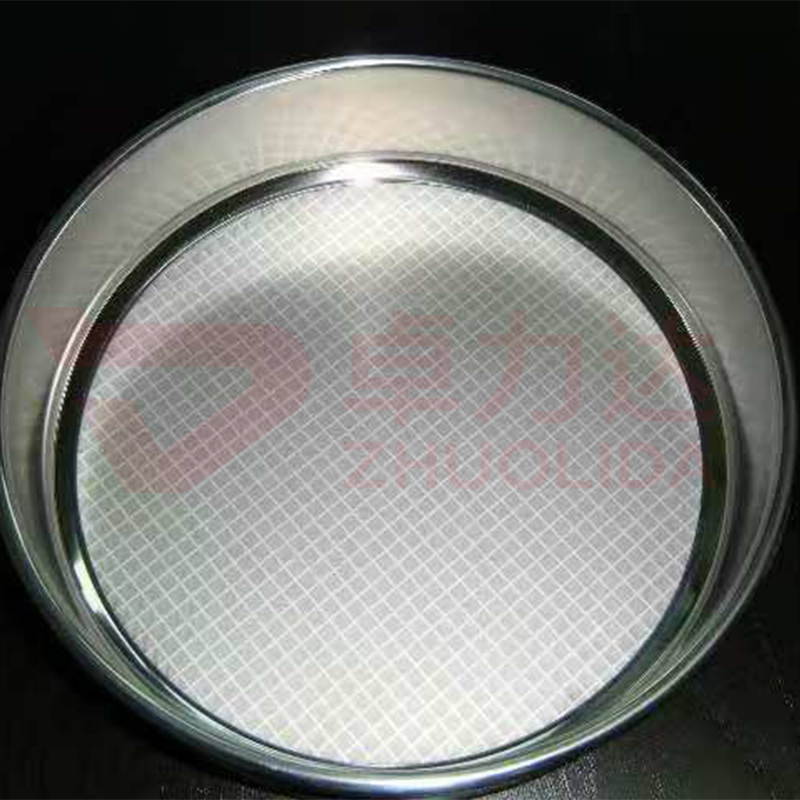
The biomedical sector is the core application area for electroformed nickel mesh, where extremely high standards are required in terms of filtration precision and material safety. Electroformed nickel mesh is widely used in the filtration of biological samples, drug purification, medical nebulisation, and haemodialysis. For example, electroformed nickel mesh used in drug purification can precisely trap impurities, ensuring that drug purity meets the required standards; The micron-sized pores in nickel mesh for medical nebulisation can atomise medicinal solutions into minute droplets, thereby enhancing therapeutic efficacy. The manufacturing of electroformed nickel mesh employs biocompatible processes to ensure the mesh is free from impurities and burrs, meeting medical industry standards. Manufacturers of electroformed nickel mesh strictly control production environments to guarantee product safety and reliability.
In the semiconductor sector, electroformed nickel mesh plays a vital role, meeting the industry’s demands for precision manufacturing. It is used for filtering semiconductor wafer cleaning solutions, photoresist filtration, and precision sieving during chip packaging. For instance, photoresist filtration mesh can intercept minute particulate impurities, thereby preventing any adverse effects on lithography accuracy and chip yield. Electroformed nickel mesh processing can produce sub-micron pores, aligning with the semiconductor industry’s trends towards miniaturisation and integration, and enhancing the precision and stability of chip manufacturing. Manufacturers of electroformed nickel mesh continuously optimise their processes to meet the rapidly evolving demands of the semiconductor industry.
The new energy sector has emerged as a key application area for electroformed nickel mesh, meeting the rapid development needs of the new energy industry. Electroformed nickel mesh is used for filtering electrolytes in hydrogen fuel cells, sieving electrode materials for lithium-ion batteries, and cleaning and filtering silicon wafers in the photovoltaic industry. For instance, nickel mesh for fuel cell filtration can precisely filter out impurities in the electrolyte, ensuring the power generation efficiency and service life of the battery. Electroformed nickel mesh processing allows for precise control of mesh aperture size and open area ratio, optimising fluid transfer efficiency. Through process innovation, manufacturers of electroformed nickel mesh have enhanced the mesh’s resistance to high and low temperatures as well as its corrosion resistance, thereby supporting the large-scale development of the new energy industry.
In the environmental protection and fine chemical sectors, electroformed nickel mesh meets stringent filtration and separation requirements. It is used in industrial wastewater treatment, exhaust gas purification, chemical raw material screening and ink filtration. For instance, electroformed nickel mesh for wastewater treatment can precisely intercept suspended impurities in water, improving treatment efficiency; ink filtration mesh can remove impurity particles from ink, ensuring print quality. Thanks to their resistance to severe corrosion and stable flow rates, electroformed nickel meshes have a service life far exceeding that of traditional screens. Their manufacturing process allows for customised structures tailored to the characteristics of the medium, whilst manufacturers continuously optimise their processes to drive green upgrades within the industry.
Furthermore, electroformed nickel mesh is utilised in sectors such as aerospace, precision instrumentation and food processing—including fuel filtration for aircraft engines, dust-proof screening for precision instruments and filtration of food ingredients—where its high precision and stability overcome the limitations of conventional mesh. Electroformed nickel mesh remains market-driven, continually overcoming technical bottlenecks. Processing techniques are constantly evolving towards ultra-fine pore sizes, complex arrays and composite materials. Manufacturers are strengthening technical R&D and industrial collaboration to drive the technology towards greater efficiency, environmental sustainability and intelligence, providing core support for precision screening across various industries.
Contact:赖先生
Phone:+86 18938693450
Tel:0755-2708-8292
Email:yw9@zldsmt.com
Add:深圳市宝安区福永镇新和村福园一路华发工业园A3栋
 Zhuolida