Welcome: Shenzhen Zhuolida Electronics Co.TD
Language:
 ∷
∷

∷
∷
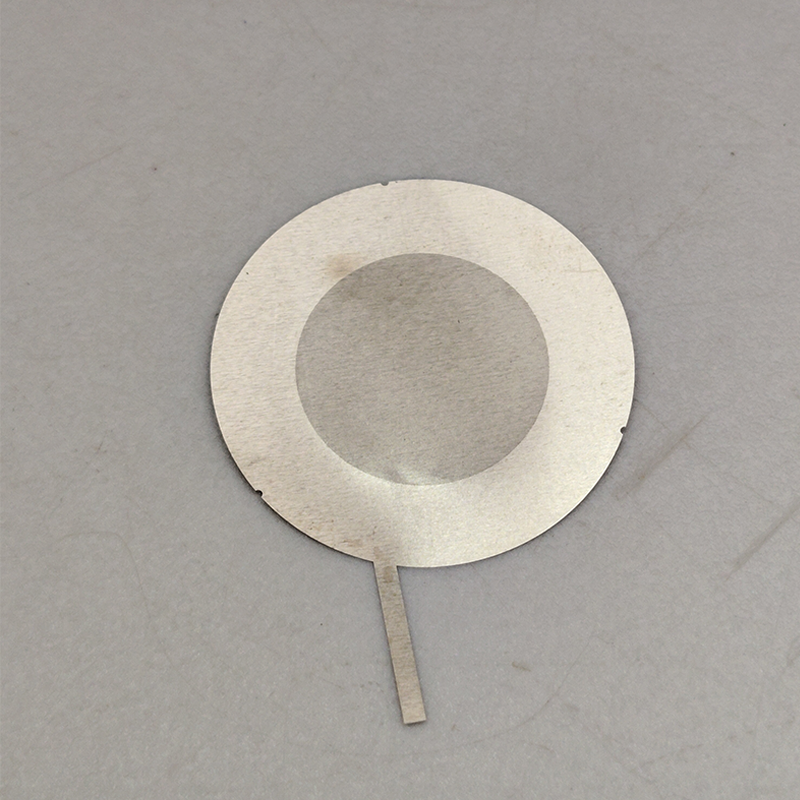
Electroformed precision micro-perforated mesh processing is a high-end precision metalworking technology based on the principle of electrochemical deposition. Its core lies in the fabrication of precision micro-perforated mesh structures featuring minute pore sizes, uniform distribution, smooth pore walls, and extremely high dimensional accuracy. Pore sizes can be precisely controlled to the micron or even nanometer level, and the mesh thickness remains uniformly consistent. Leveraging the excellent corrosion resistance, wear resistance, and high toughness of electroformed metals such as nickel and copper, this technology is widely applied in precision filtration, electronics, medical equipment, aerospace, new energy, and other high-end manufacturing sectors, establishing itself as an indispensable core processing technology in the modern precision manufacturing industry. Electroformed precision micro-perforated mesh manufacturers, backed by mature process control systems, specialized precision processing equipment, and extensive practical industry experience, meticulously manage every processing step to ensure the stability and consistency of product quality; Through continuous technological innovation, equipment upgrades, and process optimization, manufacturers of electroformed precision micro-perforated mesh are constantly breaking through bottlenecks in processing precision and efficiency. They provide customized electroformed precision micro-perforated mesh processing solutions for various industries, driving technological upgrades and product iterations to meet the market’s diverse and high-end demands for high-precision micro-perforated mesh products.
The electroformed precision micro-perforated mesh manufacturing process is rigorous, standardized, and interlinked. Compared to ordinary mesh processing, it imposes higher requirements on parameter control and process precision at every stage. Precise control at each step directly determines the final product’s pore diameter accuracy, uniformity of pore distribution, pore wall finish, thickness consistency, and overall mechanical properties—all of which are key indicators of the core competitiveness of electroformed precision micro-perforated mesh manufacturers. From core mold preparation to final product inspection, the entire process must strictly adhere to standardized operating procedures to ensure that the delivered products fully comply with the stringent application standards of various industries.
I. Analysis of the Core Processes in Electroformed Precision Micro-Perforated Mesh Manufacturing
1. Core Mold Preparation: The Cornerstone of Precision Forming
Core mold preparation is the first step in the manufacturing of electroformed precision micro-perforated mesh and serves as the foundation for determining the accuracy and consistency of subsequent micro-perforation forming. Based on the specific specifications of the electroformed precision micro-perforated mesh, high-precision substrates such as metal, quartz, precision ceramics, or specialty plastics must be carefully selected as core mold materials. The flatness and surface finish of the substrate must meet micron-level standards to prevent substrate defects from affecting subsequent processes. Subsequently, advanced processes such as photolithography, precision laser machining, and precision etching are employed to create a micro-groove pattern on the substrate surface that perfectly matches the target micro-perforated mesh structure. The diameter, spacing, and depth tolerances of the grooves must be strictly controlled within ±1 μm, while ensuring the inner walls of the grooves are smooth and burr-free, and the overall surface of the master mold is flat and free of scratches. Precision micro-perforated mesh Electroforming manufacturers are equipped with specialized core mold processing equipment and high-precision inspection instruments to conduct comprehensive testing of the core mold’s dimensional accuracy and surface finish. Non-conforming core molds are strictly rejected to ensure that those put into use meet design standards; Manufacturers of electroformed precision micro-perforated screens optimize core mold preparation processes based on the requirements of different screen specifications, develop suitable core mold materials, and improve processing efficiency and precision, thereby laying a solid foundation for the smooth execution of subsequent electroforming operations.
2. Electrostatic Treatment: A Critical Prerequisite for Electroforming Deposition
Electro-conductive treatment is a critical step in the fabrication of precision micro-perforated screens via electroforming, directly affecting the uniformity of the electroformed deposit, the integrity of the micro-pore structure, and the quality of the final product. For non-metallic core molds (such as quartz, ceramics, and specialty plastics), specialized precision processes—including chemical vapor deposition, vacuum sputtering, and ion plating—must be employed to uniformly and densely form a conductive film on the surface and inner walls of the grooves. The thickness of the conductive layer must be precisely controlled (typically 0.1–1 μm) to ensure good conductivity and prevent defects such as missed plating or pinholes, while avoiding excessive thickness that could cause dimensional deviations in the grooves. Additionally, the conductive layer must remain intact and free from peeling to ensure the continuity of micro-hole formation. For metal core molds, passivation treatment is required. Through chemical or electrochemical methods, a dense passivation film is formed on the surface of the core mold. This not only prevents the core mold from being corroded by the electroforming solution but also facilitates subsequent demolding, thereby avoiding damage to the pore walls and surface structure of the electroformed precision microporous mesh during the demolding process. Electroformed precision microporous mesh manufacturers strictly control the process parameters of the conductive coating treatment and standardize the treatment procedures. They also continuously research and develop efficient, stable conductive coating technologies, optimize the formulation and preparation processes of the conductive layer, and improve the uniformity and adhesion of the conductive layer to ensure the smooth progress of electroformed precision microporous mesh manufacturing.
3. Electroforming: The Core Process That Determines Product Quality
Electroforming is the core process in the fabrication of precision microporous screens, directly determining the final pore size accuracy, pore wall smoothness, thickness uniformity, and mechanical properties of the microporous screen. The core mold, which has undergone conductive treatment, serves as the cathode. High-purity nickel, nickel-cobalt alloys, copper, or other electroforming metals with excellent wear resistance, corrosion resistance, and toughness are selected as the anode. Both are placed in a custom-formulated Precision Electroforming solution to establish a stable electrochemical deposition system. A stable direct current is applied. Under the influence of the electric field, the electroformed metal at the anode gradually dissolves into metal ions. Driven by the electric field force, these dissolved metal ions migrate in an orderly manner to the surface of the cathode core mold and into its grooves, depositing and growing layer by layer. This ultimately forms an electroformed metal layer that perfectly matches the groove structure of the core mold—the prototype of the electroformed precision microporous mesh. During the deposition process, the precision microporous electroformed mesh manufacturer precisely controls key process parameters: the current density must be maintained within the range of 5–20 A/dm², adjusted according to the mesh aperture size and thickness; the electroforming temperature is maintained at 40–60°C to ensure the deposition activity of metal ions; the deposition time is precisely calculated based on the target mesh thickness, with an error margin controlled within ±5 μm; simultaneously, indicators such as the concentration, pH value, and metal ion content of the electroforming solution are monitored in real time, and adjustments and replenishments are made promptly. Manufacturers of precision microporous electroformed mesh develop specialized electroforming solutions, optimizing additive types and ratios to enhance metal ion deposition efficiency, uniformity, and the mechanical properties of the mesh. This minimizes impurities and defects during deposition, ensuring the pore size accuracy, wall smoothness, and thickness consistency of the precision microporous electroformed mesh to meet the stringent requirements of high-end applications.
4. Demolding and Post-Processing: The Final Steps to Ensure Product Performance
Demolding and post-processing are the final stages of precision micro-porous electroformed mesh manufacturing and are critical steps for enhancing product performance and ensuring product compliance. Based on the material properties of the core mold, gentle, non-destructive demolding methods are employed to avoid damaging the microporous structure and surface condition of the electroformed precision microporous mesh: For plastic core molds, the heating and melting method can be used to soften and release the mesh; for quartz and ceramic core molds, specialized chemical reagents such as hydrofluoric acid are used for dissolution and demolding; for metal core molds, mechanical separation or mild acid etching is used for gentle removal. After demolding, the preliminary electroformed precision microporous mesh product must undergo a series of post-processing steps, including precision cleaning, precision grinding, polishing, heat treatment, and precision inspection: Precision cleaning uses ultrapure water and specialized cleaning agents to thoroughly remove residual electroforming solution, impurities, and release agents from the mesh surface, preventing these residues from affecting product performance; Precision grinding and polishing are performed using specialized grinding equipment to remove burrs and excess metal layers from the mesh surface, optimizing the surface finish of the pore walls and mesh surface to ensure a pore wall roughness of Ra ≤ 0.2 μm; heat treatment, through processes such as vacuum annealing, adjusts the internal microstructure of the mesh to enhance its hardness, wear resistance, corrosion resistance, and toughness, thereby optimizing its mechanical properties; Precision inspection utilizes specialized equipment such as high-precision microscopes, laser diameter gauges, and coordinate measuring machines to conduct comprehensive testing of parameters including aperture size, aperture deviation, aperture distribution uniformity, mesh thickness, and surface roughness. Results are compared against design standards and industry specifications to select qualified products. Manufacturers of electroformed precision micro-perforated screens establish a rigorous, end-to-end post-processing inspection system. They maintain strict control over every detail of the post-processing procedures throughout the entire process to ensure that every product meets design requirements and industry standards, thereby achieving high-quality delivery.
II. Core Application Areas of Electroformed Precision Microporous Mesh Processing
Thanks to its exceptional pore size accuracy, uniform pore wall distribution, excellent material properties, and consistent forming quality, the application scope of electroformed precision microporous mesh processing continues to expand, spanning multiple high-end manufacturing industries. Electroformed precision microporous mesh processing plants and manufacturers provide customized processing services tailored to the specific needs of each industry, driving the deep integration of technology and industry.
1. Precision Filtration: The Cornerstone of Precise Filtration
Precision filtration is one of the core application areas for electroformed precision microporous mesh. Its uniform micron- and nanometer-scale pore structure enables precise filtration of minute particles and impurities, with filtration precision ranging from 0.1 to 100 μm. It is widely used in the chemical, environmental protection, food, pharmaceutical, and electronics industries. In the chemical industry, it is used for the precision filtration of corrosive liquids and organic solvents to remove minute impurities, ensuring the purity of chemical products and the safety of production equipment. In the environmental protection sector, it facilitates deep filtration of industrial wastewater and domestic sewage to achieve solid-liquid separation and reduce pollutant levels. In the food industry, it enables precision filtration of fruit juices, beverages, and edible oils to remove suspended solids and impurities, thereby enhancing food quality and safety. In the pharmaceutical sector, they are used for sterile filtration of pharmaceutical solutions, blood, and biological agents to prevent bacterial and particulate contamination, thereby ensuring medical safety. Electroformed precision microporous mesh manufacturers can customize products with varying pore sizes and mesh thicknesses to meet the requirements of different filtration media and precision levels; through process optimization, these manufacturers enhance the corrosion resistance and service life of the microporous mesh to meet the demands of complex filtration scenarios.
2. Electronics and Information Technology Sector: Precision Components for High-End Electronics
In the electronics and information technology sector, electroformed precision microporous mesh manufacturing produces core components such as precision shielding mesh, heat dissipation mesh, microporous electrodes, microporous mesh for printed circuit boards (PCBs), and microporous mesh for semiconductor packaging, serving as critical supporting materials for high-end electronic device manufacturing. Their dense microporous structure, combined with excellent electrical conductivity and electromagnetic shielding properties, effectively enhances the heat dissipation, electromagnetic shielding performance, and signal stability of electronic devices: In devices such as smartphones and communication base stations, they can be used as electromagnetic shielding screens to block external electromagnetic interference and ensure the quality of signal transmission; In semiconductor chip manufacturing, they can be used as micro-porous heat dissipation screens for chip packaging, rapidly dissipating heat generated during chip operation to prevent high temperatures from affecting chip performance and lifespan; in precision electronic instruments, they can be used as micro-porous electrodes to facilitate the transmission of minute currents and the precise detection of signals. Electroformed precision micro-perforated mesh manufacturers develop products with smaller pore sizes and thinner mesh thicknesses to meet the industry’s demands for miniaturization and high precision. These manufacturers are equipped with specialized micro-machining equipment to ensure precise dimensions and structural integrity, thereby meeting the stringent standards of the electronics and information technology industry.
3. Medical Devices: Ensuring Safety in High-End Medical Applications
The medical device sector imposes extremely high requirements on product precision, biocompatibility, and corrosion resistance. Electroformed precision microporous mesh can be used to manufacture precision filtration screens for medical devices, implantable microporous mesh, surgical instrument components, and microporous parts for medical diagnostic equipment, providing core support for high-end medical devices. Electroformed metals such as nickel and copper, which exhibit excellent biocompatibility, meet the safety requirements for implantable medical products. For example, implantable microporous screens can be used in applications such as human tissue repair and drug delivery systems, where they are compatible with human tissue and do not cause rejection reactions. In medical device filtration, they are used for precision filtration in hemodialysis machines, infusion sets, and biochemical analyzers to remove impurities and particles from blood and pharmaceutical solutions, thereby ensuring medical safety. In surgical instruments, they are used to create microporous structures for minimally invasive devices, enhancing surgical precision and safety. Manufacturers of electroformed precision microporous mesh strictly adhere to medical industry standards, optimize production environments, and achieve sterile, standardized production; these manufacturers establish clean production workshops to control product quality throughout the entire process, providing the medical industry with reliable microporous mesh products.
4. Aerospace and New Energy Sectors: Adaptation to Extreme Environments
The aerospace sector must contend with complex environments involving extreme temperatures, high corrosion, and high radiation, while the new energy sector demands exceptional product stability and durability. Electroformed precision microporous mesh processing perfectly meets the application requirements of both these sectors. In the aerospace sector, these processes can be used to manufacture microporous screens for cooling aerospace equipment, breathable microporous screens for sensors, and microporous components for satellite mounts. Thanks to their resistance to high and low temperatures, corrosion resistance, and high strength, these products ensure the stable operation of aerospace equipment in extreme environments, providing core component support for the aerospace industry. In the new energy sector, these meshes can be used for current collector micro-porous screens in new energy vehicle batteries, heat dissipation micro-porous screens in power batteries, and precision filtration micro-porous screens in photovoltaic equipment. They enhance the energy conversion efficiency, heat dissipation performance, and service life of new energy equipment, driving technological upgrades in the industry. With the rapid development of the aerospace and new energy industries, manufacturers of electroformed precision microporous mesh will continue to research and develop materials and processes suitable for extreme environments, while continuously improving the environmental adaptability of their products and expanding their application scenarios.
III. Industry Trends and Directions for Innovation
With the rapid development of the high-end manufacturing industry, the market has set higher standards for precision, efficiency, cost control, and product diversity in the processing of electroformed precision micro-perforated screens. As a result, manufacturers and producers of electroformed precision micro-perforated screens are continuously advancing technological innovation and industrial upgrading. On the one hand, the introduction of intelligent processing equipment—such as automated core mold preparation systems, smart electroforming deposition control systems, and fully automated inspection equipment—enables precise control of process flows and automated production. This enhances processing efficiency and product consistency while reducing labor costs; On the other hand, they are developing new electroforming materials and precision electroforming solution formulations, such as high-performance nickel-based alloys and nanoscale electroforming solutions, to overcome the performance limitations of traditional materials and improve the corrosion resistance, wear resistance, and toughness of microporous screens. Simultaneously, they are optimizing core mold preparation processes and developing reusable, high-precision core mold materials to reduce production costs. Furthermore, manufacturers of electroformed precision microporous mesh will focus on emerging application fields, such as biomedical chips, quantum communication devices, and hydrogen fuel cells, to custom-develop suitable precision microporous mesh products. This will drive the electroformed precision microporous mesh processing industry toward higher quality, greater efficiency, and greater refinement, providing continuous and robust technical support for high-end manufacturing across various industries.
Contact:赖先生
Phone:+86 18938693450
Tel:0755-2708-8292
Email:yw9@zldsmt.com
Add:深圳市宝安区福永镇新和村福园一路华发工业园A3栋
 Zhuolida